How to Drain Sediment from Your Water Heater
Regularly draining sediment from your water heater is a smart way to protect your home’s hot water supply, control energy costs, and extend the life of your unit. In New Richmond, WI, where changing seasons and hard water are common, this simple maintenance task is especially important. Here is what you need to know to safely and effectively remove sediment from your water heater.
Why Draining Sediment Matters for Homeowners
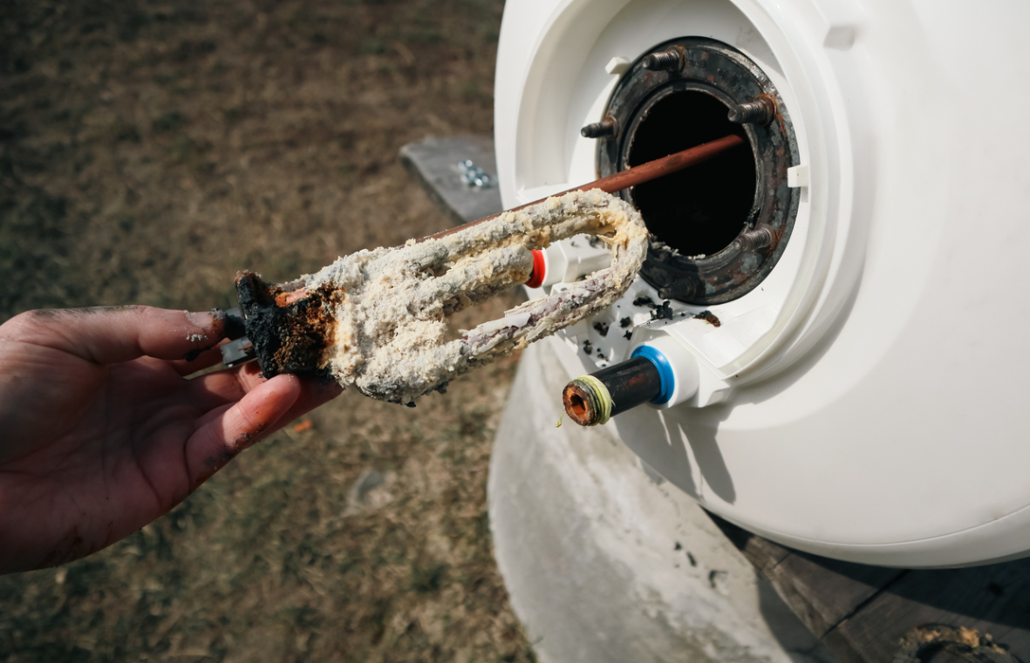
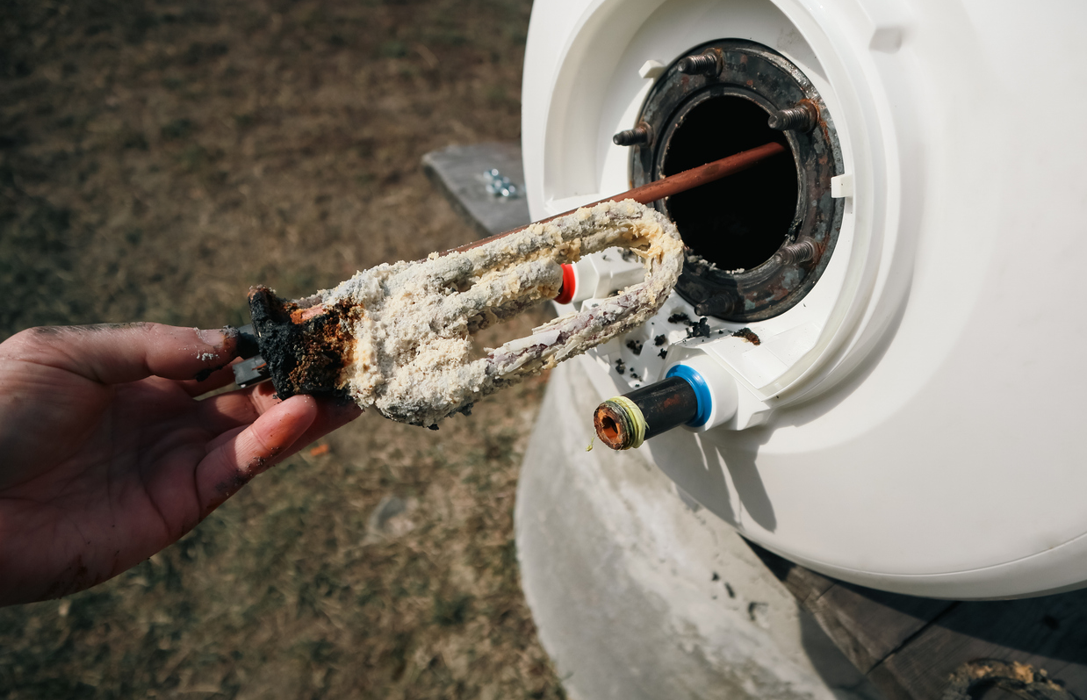
Over time, minerals naturally settle at the bottom of your water heater tank. This buildup causes several problems:
-
Reduced heating efficiency, leading to increased energy bills
-
Rumbling or popping noises from the tank during operation
-
Accelerated corrosion, which can cause leaks
-
Shortened lifespan of the water heater
Hard water conditions in New Richmond can cause sediment to accumulate more quickly than in other areas. Regular maintenance is essential to keep your system operating efficiently throughout the year, especially before the colder months.
Step-by-Step Guide: Draining Sediment from Your Water Heater
Most homeowners with basic tools can flush a water heater themselves, but careful attention is necessary to avoid damage or injury. Here is how to proceed:
-
Turn Off Power or Gas
-
For electric units, turn off the circuit breaker.
-
For gas units, set the thermostat to “pilot” or turn off the gas valve.
-
Shut Off the Cold Water Supply
-
Locate the cold water valve above the heater and turn it off.
-
Find a Safe Drain Location
-
Attach a garden hose to the drain valve at the bottom of the tank.
-
Place the other end of the hose in a floor drain, driveway, or safe outdoor area.
-
Release Pressure and Open the Drain Valve
-
Open a hot water faucet in your home to relieve pressure.
-
Carefully open the drain valve and allow the tank to empty.
-
Flush with Cold Water
-
Turn the cold water supply back on briefly to stir up remaining sediment.
-
Repeat until the water runs clear.
-
Close the System and Restore Power
-
Close the drain valve, remove the hose, and turn the cold water supply back on.
-
Restore power or reset the gas control to normal operation.
-
Check for leaks and confirm proper operation.
If you encounter issues such as a clogged valve or persistent leaks, it is best to contact a professional. Forcing components can lead to water damage or injury.
How Often Should You Flush Your Water Heater?
Most homeowners in New Richmond should flush their water heater once a year. However, homes with heavy water usage or higher mineral content may benefit from flushing every six months. Signs your water heater may need earlier attention include:
-
Hot water running out faster than usual
-
Rusty or discolored water from your taps
-
Unusual noises such as banging or rumbling
Performing maintenance before winter is especially important, as demand on your system increases during colder temperatures.
When to Call in a Professional
Some situations require expert assistance. Contact an emergency plumber if:
-
You cannot fully drain the tank due to a blocked valve
-
There are signs of leaks, rust, or pressure relief valve issues
-
You are uncomfortable working with gas or electrical components
A professional can also assess your system and recommend upgrades, such as a high efficiency furnace, to improve your home’s overall energy performance. Addressing both plumbing and heating concerns proactively helps prevent unexpected breakdowns when you need them most.
Choose Countryside Plumbing & Heating, Inc. for Reliable Service
Routine maintenance is key to keeping your home comfortable year-round. Countryside Plumbing & Heating, Inc. provides expert water heater services, from flushing and repairs to system upgrades. Whether you need help from an emergency plumber or are considering upgrading to a high efficiency furnace, our team in New Richmond, WI is ready to assist. Give us a call at (715) 246-2660 or fill out our contact form to get started.