
Transitioning Your Commercial HVAC from Cooling to Heating
As fall arrives and temperatures start dropping in New Richmond, WI, ensuring a seamless transition from cooling to heating in your commercial HVAC system is critical for occupant comfort, energy savings, and system reliability. A thoughtful, step-by-step approach this time of year not only safeguards against unexpected disruptions but also helps prepare your property for efficiency throughout the entire heating season. Here is a comprehensive guide to transitioning your HVAC system, with practical considerations and insights relevant to local businesses.
Schedule a Full System Inspection Before Cold Weather Hits
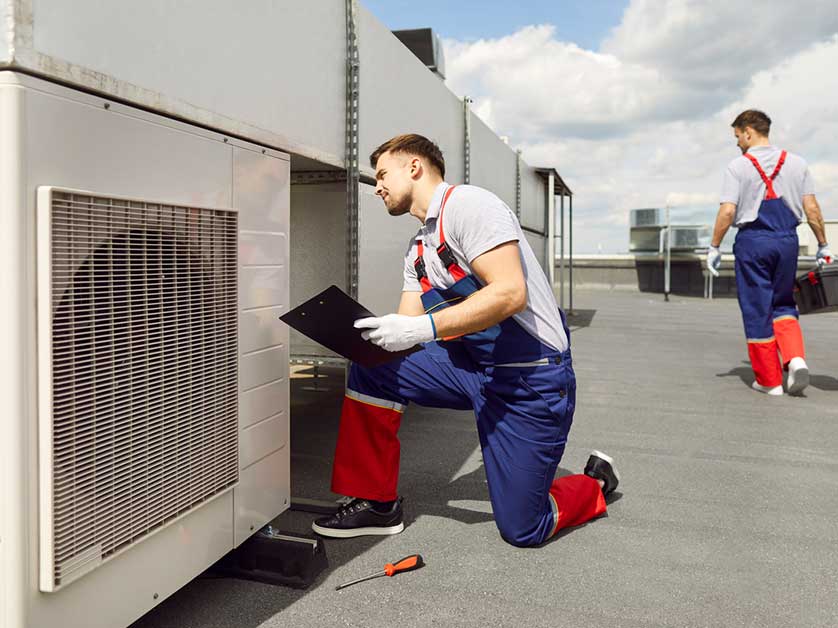
The first step in preparing your commercial HVAC for heating is a thorough inspection by a licensed HVAC professional. During this evaluation, all major system components should be checked for wear, leaks, corrosion, and blockages. Particular attention should be paid to ductwork, control systems, heating coils, and ventilation units. In New Richmond, WI, these checks help safeguard your building against airflow obstructions and heat loss, ensuring consistent warmth in offices, warehouses, or retail spaces.
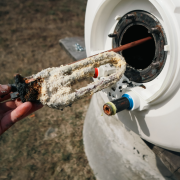
A full inspection also catches small issues early, such as signs of water leaks that might require prompt attention from an emergency plumber to prevent equipment damage or facility disruptions. When it comes to heating, even minor plumbing-related failures can affect your HVAC system right when your building needs it most.
Replace or Clean Air Filters for Improved Indoor Air Quality
Commercial HVAC systems operate nearly year-round, leading to air filters accumulating debris, dust, and allergens. Before activating the heating cycle, all air filters should be replaced or thoroughly cleaned. In commercial environments, it’s advisable to upgrade to a MERV-13 filter if you’re currently using MERV-8 or lower. This higher-grade filter traps a greater percentage of particulates, protecting both your equipment and the indoor air quality, which is critical in workplaces where sealed indoor spaces are common during winter.
Calibrate Thermostats and Integrate Smart Controls
Inconsistencies in comfort can often be traced back to aging or improperly set thermostats. Calibrate all building thermostats so they accurately reflect internal conditions and respond to seasonal set points. Modern smart thermostats can further enhance performance by automating temperature adjustments based on building usage and outdoor conditions, which is helpful during variable shoulder seasons. If your property features multiple zones, programmable thermostats can help optimize energy use by distributing heat only where and when it’s needed.
Inspect and Clean Outdoor or Rooftop Units
Outdoor condenser units and rooftop HVAC equipment are exposed to fall leaves, animal nests, and storm debris. Before the seasonal switch, clear away debris and inspect units for visible damage. Blockages in external components can contribute to emergency winter service calls. Ensuring proper airflow and physical integrity now will help maximize system reliability when you switch to heating.
Consider Energy Efficiency and Prepare for Upgrades
Energy efficiency is a major concern as heating bills rise with dropping temperatures. If your system is aging or showing signs of performance decline, now is an excellent time to research new furnace cost options for commercial properties. Replacement with a high efficiency furnace can reduce long-term overhead by using less fuel while providing greater comfort. In New Richmond, WI, where winters are long and heating demands are significant, investing in a high-efficiency model can provide noticeable economic and environmental benefits.
Test the System Early and Address Any Issues
After preventive maintenance and cleaning, turn on the heating mode well before you need full capacity. Let the system run while monitoring for unusual noises, inconsistent temperature distribution, or delayed warm-up. Uneven heating or persistent rattles may signal issues requiring attention. Proactive testing gives you time to schedule repairs or adjustments before peak heating season, reducing operational risks for your business.
Get Local HVAC Expertise and Support in New Richmond, WI
Transitioning your commercial HVAC from cooling to heating is an important annual step in maintaining workplace comfort and protecting your facility investment. Countryside Plumbing & Heating, Inc. can provide comprehensive HVAC inspections, preventive maintenance, system upgrades, and emergency response, including emergency plumber support should plumbing complications arise during your transition. Contact us today for tailored solutions, including high-efficiency furnace installations and transparent information about new furnace cost, to ensure your system is prepared for another winter. Call us at (715) 246-2660 or fill out our contact form to get started.