Posts

Will Closing Off Air Vents Help Me Save Money This Winter?

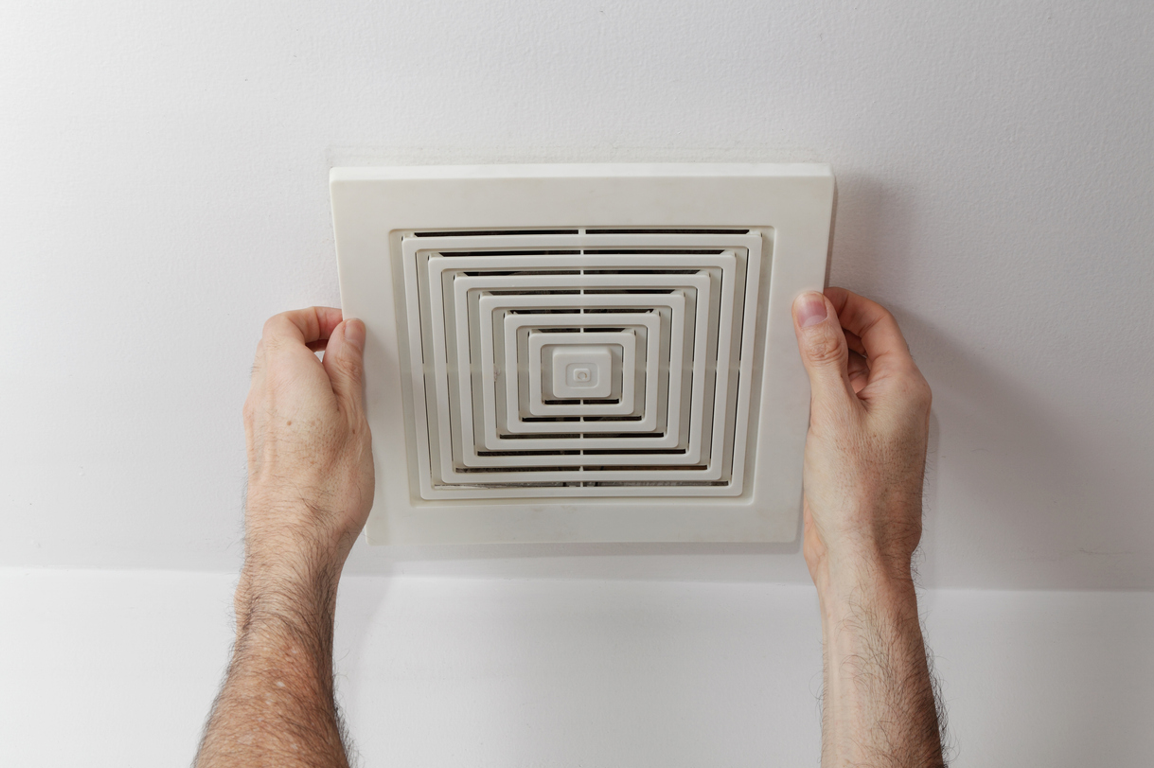
With winter temperatures often dipping below freezing in New Richmond, WI many homeowners are eager to manage heating costs. One common strategy you might have considered is closing off air vents in rooms you rarely use, believing it will direct warm air only where it’s needed and cut down on energy expenses. However, local HVAC professionals and industry studies consistently caution against this practice. Here’s why closing your air vents may actually do more harm than good and what more effective, energy-smart options you have for our Midwest climate.
Air Vents

How Your Home Heating System Really Works

Your home’s forced-air heating system, whether powered by natural gas or electric heaters, is carefully designed to deliver even airflow based on your home’s size and total number of vents. When you close off vents in specific rooms, you’re not simply stopping air from entering those spaces. Instead, you create increased air pressure within your ductwork. In homes around New Richmond, where tightly sealed construction and insulated attics are the norm, this increase in pressure can result in:

  • Duct leaks, which release heated air into attics, basements, or inside walls, wasting energy rather than saving it.

  • Overworked blower motors, as the system strains to maintain airflow, leading to higher utility bills.

  • Reduced efficiency in your heating unit, meaning your furnace prices for eventual repair or replacement could rise sooner than expected.

Why Closing Air Vents May Increase Costs

When a vent is closed, the furnace or heater still produces the same amount of warm air. The system’s blower doesn’t automatically reduce output because fewer rooms are “open,” so the same energy is consumed sometimes even more. In addition, closing vents causes:

  • Reduced airflow back to the system, which risks overheating vital components such as the heat exchanger.

  • Accelerated wear and tear, as the system enters more frequent on/off cycles, struggling to keep your main living areas comfortable.

In New Richmond’s cold winters, this can actually have a negative effect on energy use, equipment lifespan, and indoor comfort.

Potential Dangers Beyond Utility Costs

Beyond wasted energy, increased pressure in ductwork from closed vents can cause physical damage and air quality issues. For example:

  • Overpressurized ductwork may split or develop joints that leak, increasing long-term maintenance costs.

  • Poor airflow may allow dust and pollutants to circulate, making indoor air quality worse especially in homes with pets or old construction.

  • An overheating heat exchanger is a safety concern, as it can result in carbon monoxide risk or require costly heat exchanger replacements.

Better Ways to Save on Heating

Instead of closing vents, you have smarter, safer options to keep warm and cut costs:

  • Advanced Thermostats: Switching to a smart or programmable thermostat lets you adjust temperatures based on your schedule, reducing heat output at night or when you’re away, without straining your system. This can be combined with radiant heat panels or energy-efficient electric heaters in targeted rooms for additional warmth without whole-home heating.

  • Regular System Maintenance: Booking annual heater maintenance is especially important here, given the long winters. Well-maintained systems run more efficiently, helping prevent the issues caused by blocked or closed vents.

  • Upgraded Insulation: Improving attic or wall insulation significantly reduces heat loss, ensuring your furnace or radiant heat system doesn’t need to work overtime. This is often a better investment than experimenting with closing vents.

  • Professional Energy Audit: A local HVAC technician can review your system and ductwork for leaks or inefficiency, so you can address real sources of wasted energy rather than relying on outdated vent-closing advice.

Explore Trusted Heating Solutions in New Richmond, WI

If you’re looking to manage heating expenses this winter, trust Countryside Plumbing & Heating, Inc. of New Richmond, WI for tailored advice on efficient home heating. Our experienced team can recommend solutions from smart thermostats to radiant heat and upgraded heater installation options all designed for the unique Midwestern climate. Contact us at (715) 246-2660 or fill out our online form to discuss your needs or to schedule a preventative maintenance check protecting your system’s lifespan and keeping your family comfortable through the coldest months.

How Important Is It To Get The Right Size Of Heating And Cooling Equipment?

Energy consumption for heating and cooling systems accounts for around 5 percent of the electricity produced in U.S—this is almost $15 billion. As a homeowner, therefore, going for energy efficient systems makes a lot of sense. Correctly sizing your heating and cooling system is one way that you can use to cut down your energy costs.

Unlike older homes, modern homes have many other additions including more windows, weather stripping, insulation, and caulking among other features. This implies that even with a smaller system, you can still keep your home comfortable and save money in your monthly utility bills.

Generally, over sized heating and cooling systems are:

  • Expensive to install
  • Operates inefficiently; will break more often; and will cost you more to operate
  • Create uncomfortable and wide temperature swings
  • Will not run long to dehumidify air and may contribute to mold growth
  • Have frequent starts and stops which accelerates their wear and tear and eventual equipment failure
  • Use more fan power and are vulnerable to duct leakage problems due to high duct pressures.


Sizing Your Cooling and Heating System Correctly

Most contractors will only check the label listing of your existing system and advice to go for a similar one, or even worse, one’s that’s bigger. Others will also base the size of your HVAC system on what other customers (with similar home size) settled on or purchased. These are not the correct way to size HVAC equipment and are never in your best interest.

The best methods that you should use are the Manual D (Residential Duct Design) and Manual J (Residential Load Calculation) methods. The two methods take into account factors such as size and orientation of your home, insulation levels, air infiltration rates, occupant preference levels, age and number of occupants, window location, roof surface color, local climate, efficiency of major appliances that produce heat, duct air leakage, and window building materials among other factors.

Correct HVAC sizing will impact your home’s comfort level, energy costs, and the lifespan of your equipment. Before you install your HVAC unit, therefore, ensure that you understand the significance of your system correctly.

For more information follow us at //countrysideph.com/blog/

Efficiency Standards For HVAC Equipment: Are They Going Up Soon?

The national energy strategy is a hot topic of conversation these days, and home HVAC occupies a reasonable spot in the limelight. Half of the energy used by residential buildings goes to heating and cooling; therefore, the Department of Energy pays careful attention to heating, ventilation and air conditioning efficiency standards. Unfortunately, raising the standards is not as simple as it sounds.

Back in 2011, the DOE made the decision to improve the HVAC efficiency standards by May 2013. The new standards would have raised the current minimum AFUE standard of 78 to 90% efficiency. AFUE means annual fuel utilization efficiency. An AFUE rating of 78 means that the unit wastes 22% of the fuel it uses while a unit with AFUE rating of 90 wastes only 10% of the fuel it uses.

Before the effective date of implementation, various stakeholders challenged the rule, stating that the new efficiency standards for boilers and furnaces would be too costly for many homeowners. Replacing a standard furnace with a condensing furnace with a rating of 90 AFUE is not as straightforward as switching out the dishwasher or refrigerator. A high–efficiency condensing furnace requires a different venting system, which could force the homeowner to abandon or reconstruct the existing venting system to accommodate the new furnace.

Due to a court order, the Department of Energy had to postpone the implementation of the new HVAC efficiency standards, and it could take years until a new ruling goes into effect. As it stands, there have been very few changes to the heating and cooling efficiency requirements since 1992, which is when the Department of Energy set the minimum AFUE rating at 78. In 2007, the Department of Energy proposed raising the minimum AFUE to 80; however, this proposal had little meaning since nearly all modern furnaces already meet that standard.

From the perspective of an energy conservationist, the delay in the implementation of the proposed efficiency standards is regrettable, since keeping the standards low is causing more pollution and waste. On the other hand, one can always make an individual decision to invest in high–efficiency HVAC systems to enjoy greater comfort, energy savings, and lower carbon footprint.

Homeowners should call their local HVAC contractors for questions about HVAC efficiency standards and services.